Sponsored article
Understanding the Symbolism of Ars Sacra in Liturgical Clothing
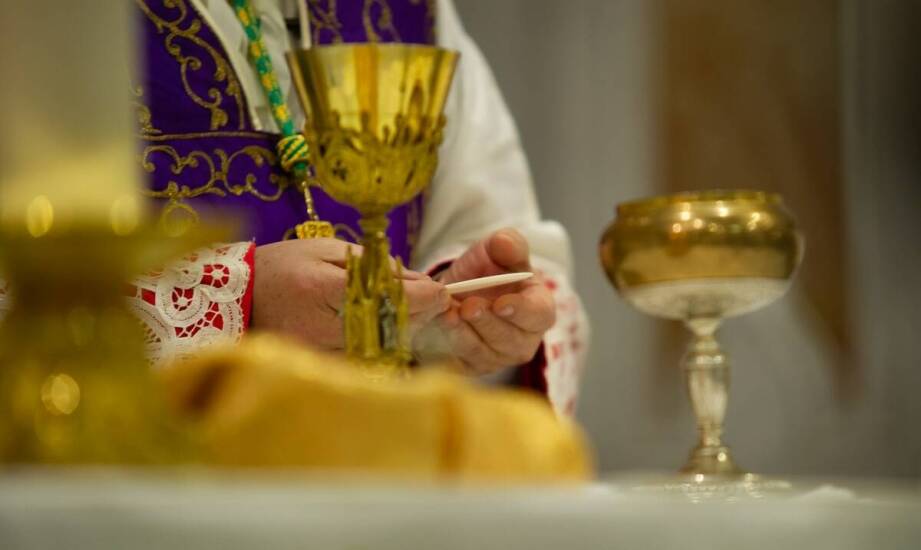
Liturgical clothing is one of the most recognizable manifestations of sacred art, where aesthetics are subordinate to the theological function. The contemporary understanding of Ars Sacra goes beyond mere decoration, encompassing the entire creative process—from the idea, through design, to execution. Each garment becomes a bearer of meanings that reflect not only the hierarchy and order of the liturgy but also communicate the spiritual dimension of faith. In this sense, liturgical clothing is a form of visual theology, where material serves to reveal the sense of the invisible.
What is Ars Sacra in Liturgical Clothing?
Ars Sacra in reference to liturgical clothing means a conscious combination of art, theology, and craftsmanship in the service of the sacred. Every element of the garment—from the cut, through color, to ornamentation—has symbolic and functional significance, subordinated to the liturgical purpose. At the core of this approach lies the belief that material form can become a tool for spiritual transmission. Liturgical garments are not mere decoration but a theological sign introducing participants in the liturgy to the reality of the mystery. The symbolism of Ars Sacra is expressed in the harmony between beauty and simplicity, in the consistency of aesthetics with content, as well as in the precision of craftsmanship, which honors God through the perfection of human hands.
How to Interpret the Meaning of Liturgical Colors and Forms?
The color and shape of a priest cassock are fundamental tools of communication within Ars Sacra. Colors have specific theological significance—white symbolizes light and purity, red martyrdom and love, green hope and growth, and purple penance and expectation. Gold and silver, used in solemn celebrations, express glory and majesty. Forms and cuts also carry meaning: the Gothic chasuble draws attention upward, the Roman one emphasizes the centrality of the cross, and the monastic refers to the simplicity of monastic life. Contemporary liturgical workshops use modern embroidery and woven band technologies to precisely convey these symbolic content while maintaining aesthetic and liturgical requirements.
Why Does Ars Sacra Symbolism Require Craft Precision?
Understanding the symbolism of Ars Sacra is not possible without the awareness that liturgy demands not only beauty but also coherence and dignity of execution. Every liturgical garment, regardless of its origin and purpose, must combine spiritual transmission with technical excellence. Therefore, workshops specializing in garment production, utilizing computerized machine embroidery and the highest quality fabrics, play a special role in preserving this tradition. Their work does not consist merely of creating aesthetic forms but of translating theology into the language of matter.
The Symbolism of Ars Sacra in Liturgical Clothing
-
Ars Sacra in liturgical clothing is a combination of art, theology, and craftsmanship, where every detail has spiritual and functional significance.
-
The symbolism of liturgical garments is based on harmony between form and content, with aesthetics subordinated to theological message.
-
Liturgical colors play a communicative role, expressing specific truths of faith and the liturgical year's order.
-
The form and cut of garments determine participation in the mystery, reflecting the hierarchy and character of the celebration.
-
Modern techniques of computerized embroidery and woven bands enable precise reproduction of symbolism while maintaining high aesthetic standards.
-
Understanding Ars Sacra requires a combination of theological knowledge, artistic sensitivity, and craft precision, together creating an authentic language of the sacred.
You might be interested

The Impact of Advanced Deburring Machines on the Quality of Final Products

How to prepare pork lip for further technological processing?

How Commercial Entrance Mats Contribute to Cleaning Savings
